
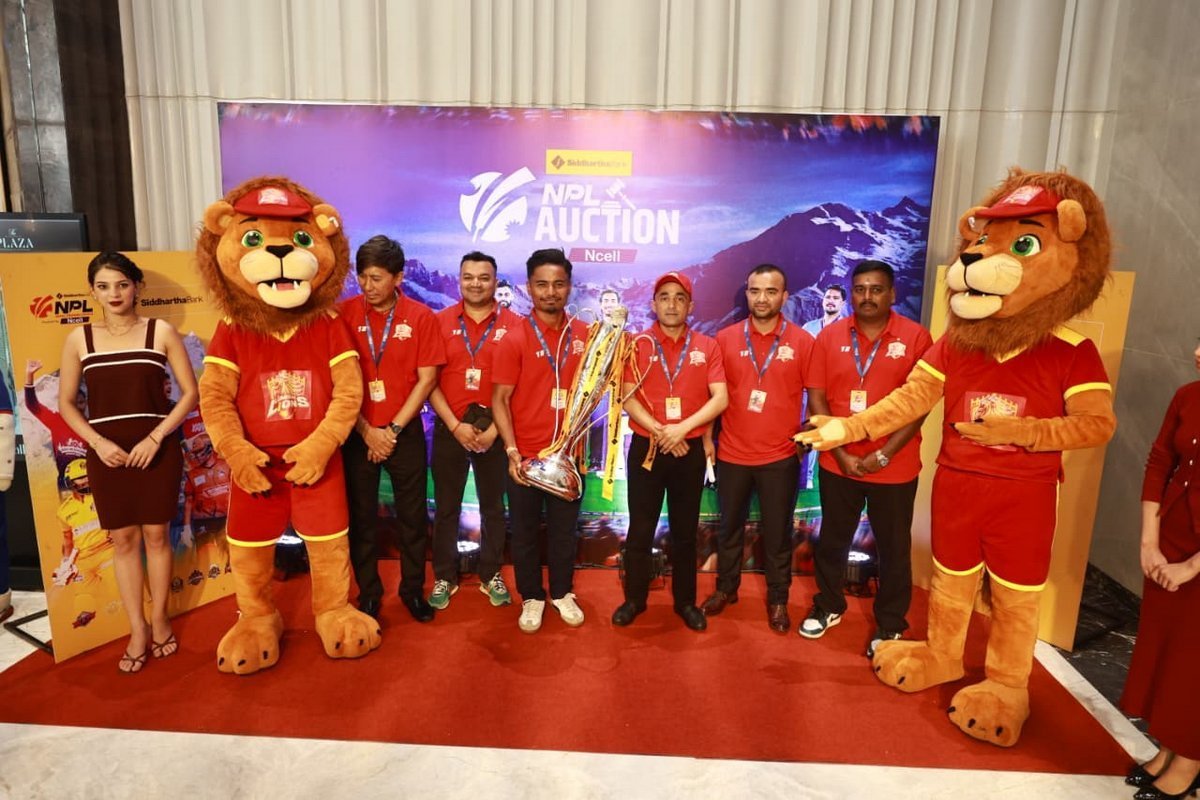
The Nepal Premier League Season 3 auction moved from shortlist talk to actual squad construction on July 6, 2026, when Category C players started coming off the board in Kathmandu. Seventeen Category C players were signed from the third-edition auction, a key phase because this pool carries the largest number of domestic cricketers and often decides how balanced each franchise looks beyond its headline names. The update matters for NPL 2026 because Category C is not just a low-price layer. It is where franchises can add wicketkeeping cover, reserve batters, spin options, seam backups and local players who may become valuable if injuries, form or conditions change during the tournament.
The confirmed Category C list included 17 signings from the auction. The reported names were Sujan Thapaliya to Biratnagar Kings for NPR 4.25 lakh, Rit Gautam to Janakpur Bolts for NPR 4.25 lakh, Sudip Aryal to Pokhara Avengers for NPR 3 lakh, Santosh Karki to Janakpur Bolts for NPR 3 lakh, Mausam Dhakal to Chitwan Rhinos for NPR 3 lakh, Vivek Kumar Ranmagar to Pokhara Avengers for NPR 2.75 lakh, Sachin Bhatta to Sudurpaschim Royals for NPR 2 lakh, Sunny BK to Pokhara Avengers for NPR 2 lakh, Ayuv Chand to Sudurpaschim Royals for NPR 2 lakh, Arnico Yadav to Lumbini Lions for NPR 2 lakh, Ashok Dhami to Chitwan Rhinos for NPR 2 lakh, Surya Tamang to Karnali Yaks for NPR 2 lakh, Aparajit Poudel to Biratnagar Kings for NPR 2 lakh, Bipin Rawal to Chitwan Rhinos for NPR 2 lakh, Prasiddha Jaisi to Kathmandu Gurkhas for NPR 2 lakh, Dayananda Mandal to Kathmandu Gurkhas for NPR 2 lakh and Sonu Devkota to Kathmandu Gurkhas for NPR 2 lakh.
The most immediate signal is that franchises were willing to move above base price for selected Category C names. Sujan Thapaliya and Rit Gautam reaching NPR 4.25 lakh shows that teams did not treat this pool as a simple minimum-price list. Janakpur Bolts spending on both Rit Gautam and Santosh Karki also fits the wider auction context: Janakpur entered the auction with the largest purse after a retention window that left them more room to rebuild. That room allows a franchise to attack domestic depth earlier instead of waiting for the table to thin out. In short, Category C became part of strategic squad planning, not only a late roster-filling exercise.
Pokhara Avengers were another busy side in the Category C phase. The published auction list placed Sudip Aryal, Vivek Kumar Ranmagar and Sunny BK with Pokhara. That kind of multi-player activity can be read as an attempt to build a deeper local base around the franchise's retained and marquee structure. In Nepal Premier League conditions, a squad cannot depend only on one or two stars. Kirtipur-style surfaces can reward spin control, boundary hitting in short bursts and fielding intensity. A team that finds two useful domestic contributors from Category C can change its bench strength significantly without spending the same purse share required for Category A or Category B names.
Kathmandu Gurkhas also made a clear depth move by adding Prasiddha Jaisi, Dayananda Mandal and Sonu Devkota at NPR 2 lakh each. That is notable because Kathmandu had one of the tighter remaining purses going into auction discussion. When a side has less financial room than rivals, Category C becomes more important. The team has to protect itself against overpaying in the top bands and still finish with enough role coverage. Three minimum-price additions can keep the squad flexible, particularly if the franchise already trusts its retained core and wants to use the lower band to complete domestic slots rather than chase every expensive bidding contest.
Chitwan Rhinos used Category C to add Mausam Dhakal, Ashok Dhami and Bipin Rawal. Their activity is worth watching because Chitwan already retained a core group before the auction phase, and Category C signings can be used to support that core rather than redefine it. When a team has settled senior players, the auction goal changes. It becomes less about finding a new identity and more about adding players who can cover specialist roles. That includes extra batting options for different matchups, reserve bowlers for heavy schedules and fielding substitutes who can raise energy across a tournament. These additions may not dominate headlines today, but they can still influence selection decisions once the season begins.
Sudurpaschim Royals added Sachin Bhatta and Ayuv Chand, while Lumbini Lions added Arnico Yadav. Karnali Yaks picked up Surya Tamang at NPR 2 lakh, a move that matched the separate individual player update from the auction desk. Those smaller movements matter because each franchise is working toward a squad shape, not just a list of names. The Nepal Premier League auction is compressed, and domestic signings have to be weighed against overseas-player plans, retained players and the number of available matchday roles. A Category C signing can become more important if a franchise later signs an overseas player in the same broad role, because competition within the squad can improve practice intensity and selection standards.
The wider context is the final auction list. Category C alone had 123 registered players, while broader Nepal cricket coverage tracked the full pool of 347 registered players and 155 shortlisted names. Category A had only five names and Category B had 27, which means Category C carried the largest talent volume. That is exactly why the 17 signed players are important. They are the first group to break out of the biggest list, and their prices show where franchises saw immediate value. The list also gives fans a clearer idea of which teams are leaning toward volume, flexibility and domestic development.
For NPL 2026 readers, the practical takeaway is simple: Category C will shape bench strength. The league's most visible stories will still come from Category A bidding, retained national players and overseas signings, but tournament-winning squads usually need reliable support players. T20 leagues are decided by availability, matchup balance and whether a captain can trust options outside the first XI. If two or three of these Category C signings turn into dependable role players, the auction value will look much larger than the initial price tags. That is why this update deserves a dedicated article rather than being buried inside a general auction roundup.
The Category C signings also show how the Nepal Premier League is creating a pathway for domestic cricketers below the headline tier. Players selected in this band may not all start immediately, but they enter professional franchise environments, train with senior players and become part of a public performance pathway. For Nepal cricket, that matters. The third edition of the tournament is not only about the final winner. It is also about widening the player base, giving franchises more scouting responsibility and making sure the next wave of domestic players gets competitive exposure. The July 6 Category C list is one of the first concrete signs of that development process in the Season 3 auction.