
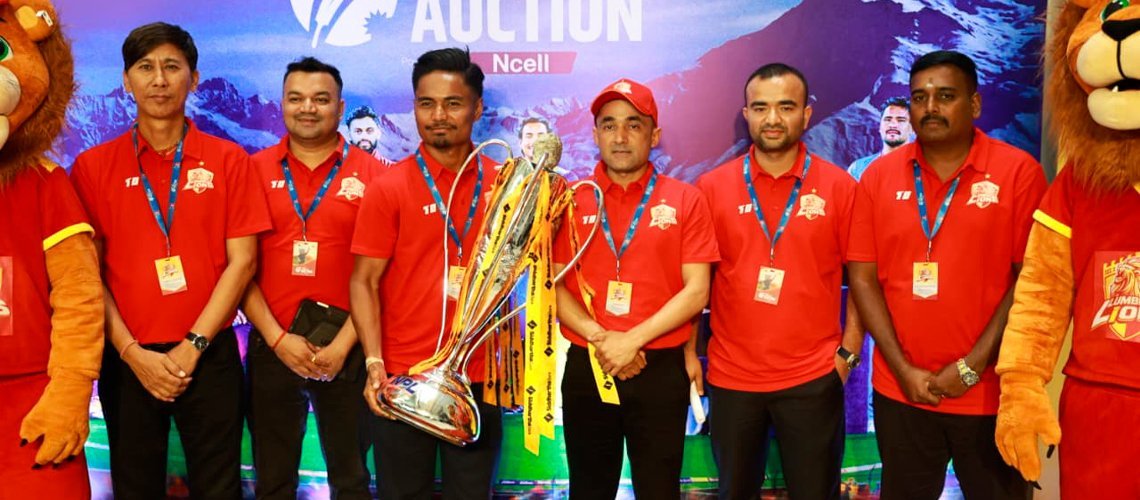
The Nepal Premier League Season 3 player auction began in Kathmandu on July 6, 2026, moving the tournament from planning mode into roster-building mode. The third edition of the Siddhartha Bank Nepal Premier League auction started in the capital with all eight franchise representatives involved. The auction is being run after a large registration and screening process: 347 Nepali cricketers registered, 155 made the final shortlist and 52 player slots are available across the franchises. For fans, that means this is not a ceremonial event. It is the point where NPL 2026 squads start taking shape in public.
The structure of the player pool gives the auction its main storyline. The final list is divided into three price categories. Category A has five players, Category B has 27 and Category C has 123. That distribution creates different layers of strategy. Category A attracts attention because it contains the most expensive and high-profile domestic names. Category B can decide middle-tier quality and role coverage. Category C gives teams the widest field and the best chance to find value. A franchise that spends aggressively at the top but ignores depth can look strong on paper and still struggle during a long tournament. A franchise that balances all three categories can build a more durable squad.
The Category A list has been central to pre-auction debate. The Category A pool placed Arjun Gharti, Bibek Kumar Yadav, Aasif Sheikh, Rupesh Kumar Singh and Trit Raj Das in the top band, with the base price set at NPR 10 lakh. Aasif Sheikh drew particular attention because he was released by Janakpur Bolts before the auction, which instantly created a major bidding storyline. In a league where domestic wicketkeeper-batters and top-order stability are valuable, Aasif's availability can shift the plans of several franchises. Even teams that do not buy him may be forced to adjust their own bidding because a rival's purse changes after a big Category A purchase.
The wider auction math is just as important. The auction plan said 52 players will be signed through the process. That figure means every franchise is not simply chasing one star. Teams have to fill multiple roles while watching purse limits and roster balance. Janakpur Bolts entered auction discussion with the largest remaining purse at NPR 66.25 lakh, while Kathmandu Gurkhas had one of the tighter positions at NPR 34 lakh in pre-auction purse coverage. Those two examples show why the same player can have different value to different teams. Janakpur can be aggressive in multiple bands; Kathmandu may need sharper discipline and more selective bids.
Retention decisions already shaped the auction before the first bid. Before the Season 3 auction phase, 52 players had been retained by teams. Retentions are not just administrative details. They determine which squads need top-order batting, spin depth, pace backups, wicketkeeping cover and all-rounder balance. Kathmandu Gurkhas retained captain Karan KC and a group around him. Lumbini Lions retained Rohit Paudel after their title run. Sudurpaschim Royals kept Dipendra Singh Airee. Janakpur Bolts moved into a different kind of auction after releasing Aasif Sheikh. These moves changed the board long before auction day.
One of the biggest differences in Season 3 is the domestic-player expansion. From the third edition, each franchise can add two more Nepali players, meaning each team will now have 14 Nepali players when marquee and talent-hunt selections are included. That matters for Nepal cricket development. More domestic slots create more opportunities, but they also require better scouting. A team cannot simply fill those positions randomly and expect a competitive squad. The league is becoming deeper, and franchises have to know the domestic circuit well enough to identify players who can contribute in specific T20 roles.
The auction also sits alongside overseas-player planning. Domestic players are the focus of the auction list, while franchises can still use overseas signings to strengthen specialist roles. That means the July 6 auction is not the entire squad-building story, but it is the foundation. If a franchise gets its domestic base right, an overseas signing can become a finishing piece. If the domestic base is weak, overseas players may be asked to cover too many problems. For NPL 2026, the best teams will probably be the ones that connect retention decisions, domestic auction picks and overseas targets into one coherent plan.
From a tactical perspective, the most important auction needs are clear. Teams require powerplay batters who can handle early swing, middle-order players who can attack spin, wicketkeepers who can add batting depth, death bowlers who can execute yorkers or slower balls, and all-rounders who give captains flexibility. Nepal conditions can change quickly between afternoon and evening games, and squads need options. The auction-begins update is more than an event notice. It starts a chain of decisions that will determine how captains set lineups, how coaches manage matchups and how franchises approach pressure moments.
The first signed players will also influence later bidding. Once one team spends heavily, rivals can either chase the next comparable name or look for value in another category. If a franchise fills a role early, it may stop bidding on similar players and change the market for everyone else. If two teams need the same role, a price can rise quickly. This is why real-time auction coverage matters for fans. Each signing changes the meaning of the next signing. A player bought for NPR 2 lakh can be as important to team balance as a more expensive name if he fills a shortage the squad cannot solve elsewhere.
For supporters tracking the Nepal Premier League, the key point is that Season 3 is now entering its most concrete phase. Schedules, broadcast plans and sponsorship updates matter, but squads create the emotional connection. Fans want to know who will bat for Janakpur, who will bowl for Kathmandu, who will provide spin for Chitwan and how Sudurpaschim will support Dipendra Singh Airee. The player auction begins that process in public. By the end of the auction phase, the NPL 2026 table will feel closer because each franchise will have a clearer cricket identity.