
Quick Facts
- Shortlist
- 155 players
- Sold
- 37 players
- Unsold
- 118 players
- Top price
- NPR 20 lakh
- Top team buy
- Aasif Sheikh to Lumbini Lions
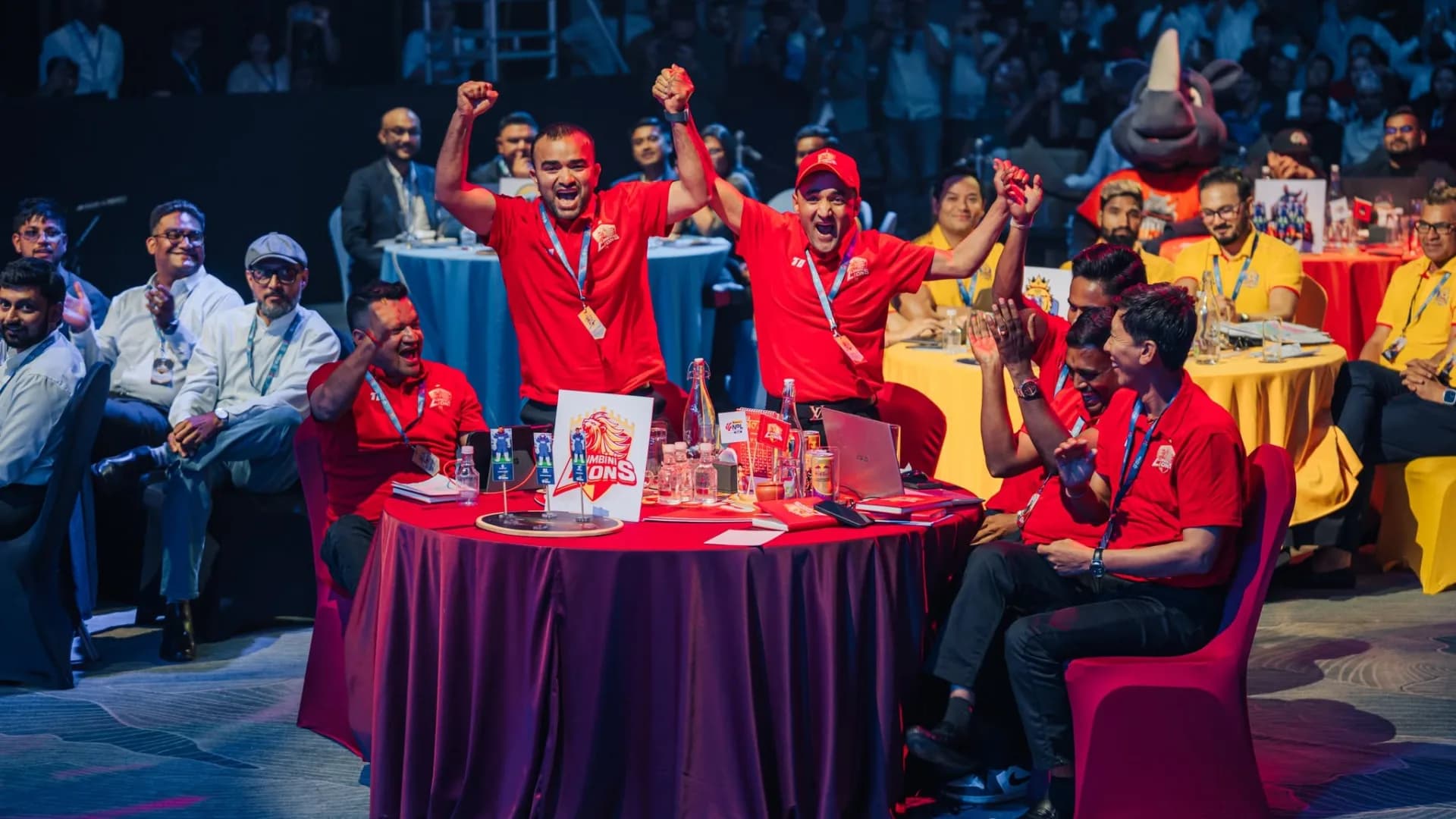
The Nepal Premier League Season 3 auction closed in Kathmandu with Aasif Sheikh becoming the headline domestic signing and the 155-player shortlist turning into the clearest squad map yet for the 2026 tournament.
The auction began from a wider registration base of 347 Nepali players before the final shortlist was reduced to 155 names. The domestic pool was split into 5 Category A players, 27 Category B players and 123 Category C players, giving franchises separate price lanes for established national-team names, proven domestic options and wider depth picks. That structure mattered because the eight teams had already retained core players before entering the auction room.
Aasif Sheikh carried the biggest individual storyline because Janakpur Bolts released him before the auction and the wicketkeeper-batter entered the pool with a higher price range than the rest of Category A. His move to Lumbini Lions for NPR 20 lakh turned the auction into a clear top-buy story. It also changed Lumbini from defending champion with a retained core into the team with the most expensive domestic auction addition of the Season 3 build.
The other Category A players also drew premium attention. Arjun Gharti joined Pokhara Avengers, Bibek Kumar Yadav joined Chitwan Rhinos, Rupesh Kumar Singh joined Biratnagar Kings and Trit Raj Das joined Janakpur Bolts. Each of those moves gave a different squad a high-value domestic role, which is why Category A became more than a simple price band. It became the first signal of which teams wanted immediate first-choice options rather than reserve depth.
The auction also showed the value of Category B. Dipak Bohara, Kishor Mahato and Shubh Kansakar reached the NPR 10 lakh ceiling in that bracket, underlining how strongly teams valued players who could fill specialist roles without taking the same headline space as Category A. Category B was important for wicketkeeping cover, seam depth, all-round balance and reliable domestic middle-order options, especially for franchises that had already retained marquee leaders.
Category C remained the widest group and the hardest to read in real time. It contained 123 shortlisted names, and the final sales reflected how selective franchises became once the higher bands were finished. Players in this group had to match a clear team need because squads had limited room after retention, purse limits and higher-profile bidding. The strongest Category C buys were valuable precisely because they gave teams low-cost balance after major spending elsewhere.
Lumbini Lions were the most aggressive spenders in the public tracker, using NPR 44 lakh and leaving NPR 5.25 lakh. That spending pattern fits a champion side trying to defend a strong base while adding a premium opener and wicketkeeper. Sudurpaschim Royals, Biratnagar Kings, Kathmandu Gorkhas, Pokhara Avengers, Karnali Yaks, Chitwan Rhinos and Janakpur Bolts all came out with different balances of spent purse, remaining purse and domestic coverage.
Janakpur Bolts entered the auction with the largest remaining purse after a retention window that reshaped their identity. Releasing Aasif Sheikh made their auction day more important because the team needed to rebuild around a different domestic core. Their Category A purchase of Trit Raj Das and later depth selections gave the squad new direction, but the loss of the former marquee name remains the central context for how supporters will judge their Season 3 recruitment.
Kathmandu Gorkhas had the tightest purse room among the eight teams before bidding began, so their auction had to be more selective. That made value picks more important than headline moves. A team with a smaller remaining budget cannot chase every bidding contest, so its success depends on identifying players who fit exact roles. The same auction table that makes Aasif the obvious top story also shows why restraint mattered for teams with limited cash left.
The auction outcome matters for NPL 2026 because it settles the domestic recruitment stage before overseas signings, training plans and final playing combinations take shape. Retentions gave every franchise continuity; the auction filled missing roles and shifted momentum. The next squad questions are now more specific: who opens with retained stars, which teams found death-bowling cover, which wicketkeepers become starters and which Category C players earn match-day trust.
For fans following the Nepal Premier League news flow, the safest reading is that Season 3 has moved from planning into team construction. The 155-player shortlist gave the auction its frame, Aasif Sheikh gave it a top-buy headline, and the mix of Category A, B and C sales gave every franchise at least one decision that will be tested once the tournament reaches match conditions.
The purse table also explains why final squad strength cannot be measured only by who bought the top player. Lumbini used the most money and added the most expensive name, but the remaining budget leaves less flexibility for later domestic corrections. Janakpur kept more room after bidding, which can matter if replacement rules, final squad slots or late local additions become important. Sudurpaschim, Biratnagar, Pokhara, Karnali, Chitwan and Kathmandu each ended with a different risk profile. Some teams spent on certainty, while others kept enough room to solve later problems.
The auction should also be read beside the confirmed October 26-November 21, 2026 tournament window, while the match-by-match fixture list remains pending. That gives teams months to connect retained players, auction buys and overseas signings into training plans. A player bought for a high price still has to fit a role, and a lower-cost player still has time to push for selection. The strongest franchises will use the gap between auction day and the first match to turn paper squads into clear batting orders, bowling plans and fielding combinations.
FAQs
How did the NPL Season 3 auction finish?
The auction finished with 37 players sold and 118 unsold from a 155-player shortlist.
Which player got the highest NPL Season 3 auction price?
Aasif Sheikh got the highest price at NPR 20 lakh.
How many Category A players were sold?
All five Category A players were sold during the Season 3 auction.
Why did lucky draws matter in the auction?
Lucky draws were used when more than one franchise reached the maximum bid for a player.