
Quick Facts
- Auction date
- July 6, 2026
- Location
- Kathmandu, Nepal
- Shortlisted players
- 155
- Players sold
- 37
- Top buy
- Aasif Sheikh, NPR 20 lakh
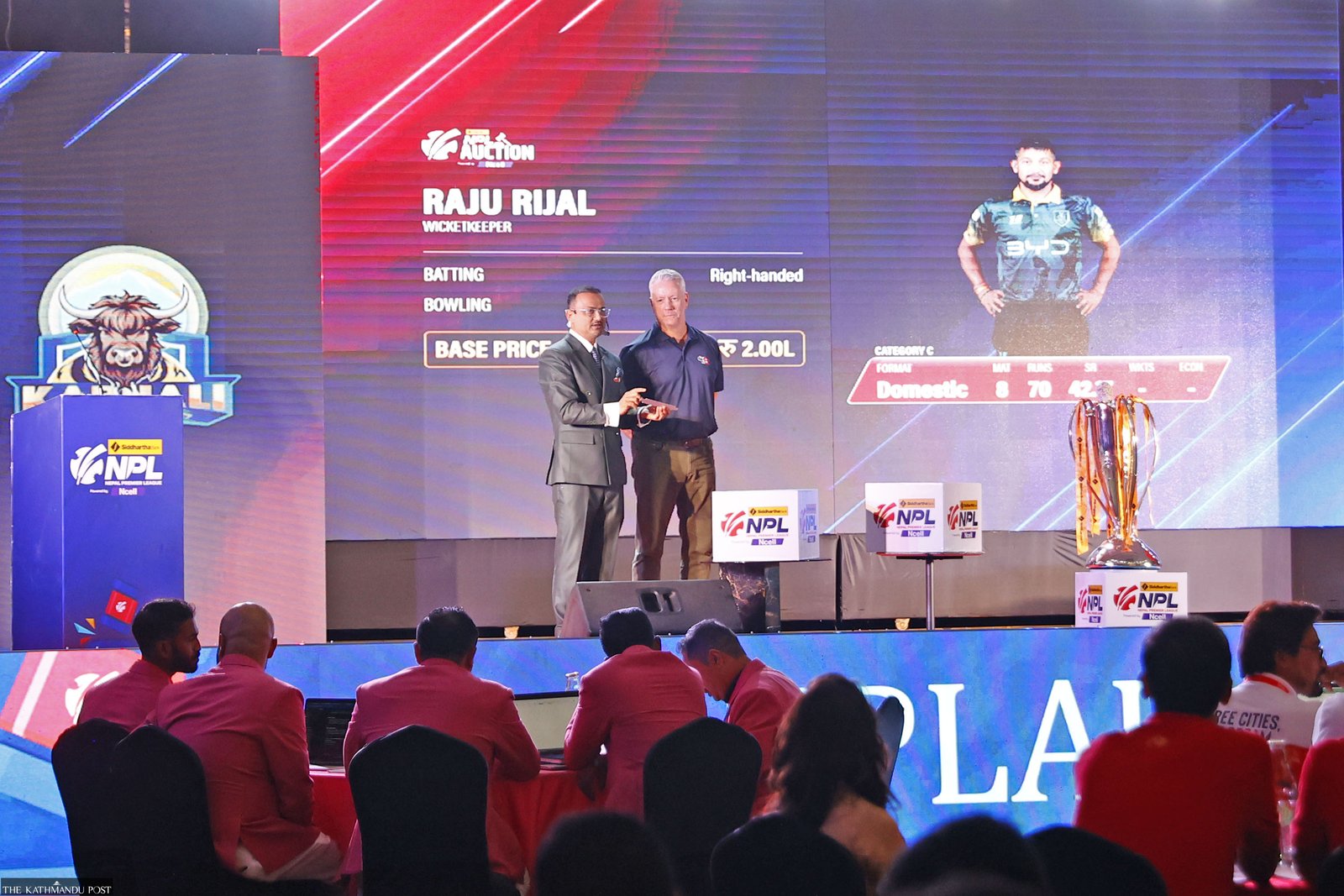
The Nepal Premier League Season 3 auction on July 6 in Kathmandu gave all eight franchises their main domestic squad-building checkpoint before the 2026 tournament window.
The auction was built on a registration list of 347 Nepali players, trimmed to a final auction pool of 155. That shortlist gave teams a controlled recruitment field after the retention window. The split was clear: 5 players in Category A, 27 in Category B and 123 in Category C. The structure helped teams separate premium domestic picks from role players and emerging names, which is vital when every franchise must balance retained stars with new signings.
The event mattered because each team entered with a different purse and a different retained core. Janakpur Bolts had the largest remaining purse before bidding, while Kathmandu Gorkhas had less room to move. That gap created two very different auction strategies. One team could chase multiple targets and rebuild aggressively; the other had to choose exact role fits. The same auction can reward spending power and discipline, depending on where a squad already stands.
Aasif Sheikh became the defining name of the July 6 event. After being released by Janakpur Bolts, the Nepal wicketkeeper-batter entered the auction as the most watched player and moved to Lumbini Lions for NPR 20 lakh. That price made him the biggest individual buy of the auction and gave Lumbini a major domestic addition beside its retained title-winning core. It also gave Janakpur a sharp storyline because their former marquee player moved to a direct rival.
The five-player Category A group shaped the top end of the auction. Arjun Gharti, Bibek Kumar Yadav, Aasif Sheikh, Rupesh Kumar Singh and Trit Raj Das all represented immediate match-day value. Category A did not only carry higher prices; it carried higher pressure because each signing changes the public reading of a squad. A team that spends strongly in this band is usually filling a first-choice role rather than simply adding bench cover.
Category B was where squads gained flexibility. With a base price of NPR 5 lakh and a ceiling that could reach NPR 10 lakh, this band gave franchises a chance to buy players with enough experience to play important overs, batting slots or wicketkeeping roles. Some Category B names reached the ceiling, showing that the middle band was not a bargain bin. It was the place where teams could correct weaknesses left by retention choices.
Category C created the largest selection pressure because 123 players were trying to convert shortlist status into contracts. This group was always going to produce selective bidding. Franchises had to weigh every low-cost buy against squad size, purse left and role duplication. For young players and domestic specialists, the Category C path remains one of the most important ways into the Nepal Premier League ecosystem because it gives visibility even when only a smaller share of the pool is sold.
The retention window created the auction story before a bid was made. Lumbini Lions retained Rohit Paudel and several domestic performers after winning the title. Sudurpaschim Royals kept Dipendra Singh Airee and a strong local base after another final run. Kathmandu Gorkhas retained Karan KC and other core players. Biratnagar Kings continued with Sandeep Lamichhane, while Pokhara Avengers kept Kushal Bhurtel. Those decisions determined what each team needed on July 6.
Janakpur Bolts were the most interesting team because their release of Aasif Sheikh changed both their purse and their identity. The franchise that won the inaugural season had to rebuild after a poor second season, and the auction gave it a chance to create a different domestic shape. That is why every Janakpur bid carried more meaning. It was not just about adding players; it was about showing how the team plans to move beyond its previous core.
The auction also helps explain why NPL recruitment cannot be judged only by star names. A strong T20 squad needs opening stability, new-ball bowling, spin control, late-order hitting, wicketkeeping cover and enough domestic bench options to handle form and fitness. Some of those needs are solved by top buys. Others are solved by players who cost far less but fit a very precise role. Season 3 squads will be tested by that balance once matches begin.
The July 6 auction gave Nepal Premier League 2026 a more settled shape. The domestic market has produced new headlines, old team identities have shifted and every franchise now has a clearer path toward final squad completion. The next important updates will be final squad lists, overseas contracts, preseason availability and schedule-linked team plans. The auction did not finish the Season 3 story, but it created the foundation every later update will build on.
Another reason the July 6 auction matters is timing. It came early enough for teams to build a proper preseason plan instead of rushing into match week with unfinished domestic roles. Coaches can now study which players are likely to start, which young players need specific preparation and which overseas profiles would complete the squad. For a league that wants stronger cricket and better fan engagement, an early domestic auction creates cleaner storylines between July and the November opening window.
The biggest risk after any auction is overreaction. One top buy can lift a squad, but it cannot fix every gap. One quiet auction does not mean a team failed if its retained core was already strong. The better reading is team-by-team: Lumbini added star value, Janakpur rebuilt identity, Kathmandu chased efficiency, Sudurpaschim protected continuity, and the other franchises adjusted around their own retained groups. That is the frame readers need before final squads and overseas moves arrive.
FAQs
When was the NPL Season 3 auction held?
The Nepal Premier League Season 3 auction was held on July 6, 2026 in Kathmandu.
How many players were shortlisted for the NPL Season 3 auction?
A total of 155 players were shortlisted for the NPL Season 3 auction.
Who was the top buy in the NPL Season 3 auction?
Aasif Sheikh was the top buy at NPR 20 lakh after Lumbini Lions secured him.
How many players were sold in the NPL Season 3 auction?
Thirty-seven players were sold, while 118 shortlisted players went unsold.