
Quick Facts
- First edition revenue
- Rs 276.96 million (Rs 27,69,64,818)
- First edition expenditure
- Rs 201.57 million (Rs 20,15,73,559)
- Second edition revenue
- Rs 473.60 million (more than Rs 47.36 crore)
- Second edition retained by CAN
- Rs 92.12 million (Rs 9,21,21,935) after distributions
- Third edition projection
- Around Rs 1.5 billion in transactions, including franchise spending
The Cricket Association of Nepal has defended how it runs and accounts for the Nepal Premier League, after questions over delayed financial statements and the approval process for the first two seasons returned during the third edition at Kirtipur.
Empowered council and board approval
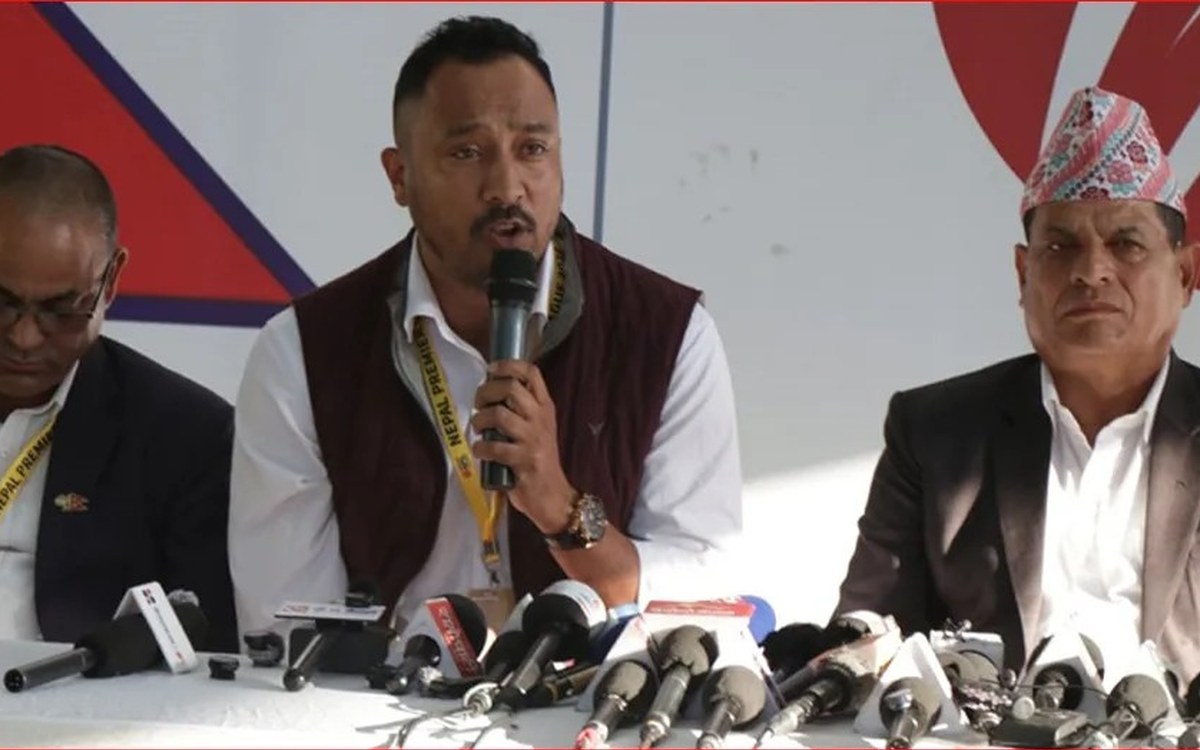
CAN president Chatur Bahadur Chand has defended the arrangement under which a separate empowered committee runs the Nepal Premier League and presents its decisions to the board afterwards. He said board decisions cannot be sought beforehand for every matter, because immediate decisions must be made while the tournament is running, including in the middle of the night. The defence came as the third edition continues at Kirtipur, with the remaining fixtures listed on the schedule.
Chand also explained why the league's finances sit inside CAN's audit. “NPL did not become institutional, Nepal's law did not allow it. Therefore, it had to be brought into CAN's audit,” he said at CAN's Sunday press conference on NPL preparations. The audit report, he added, needs to be passed by the board and sent to the International Cricket Council. “I say with confidence, I will get this passed by the general assembly or our board,” Chand said.
The structure is the heart of the dispute: a council that acts first and seeks board approval later. Supporters say a month-long tournament cannot pause for committee procedure; critics say the public then reads the accounts long after the money has moved.
Season one and season two accounts in figures
CAN's published statement says it earned Rs 276.96 million from the first edition of the NPL and spent Rs 201.57 million running it. After expenses, Rs 75.39 million remained, and after distributions to various parties, CAN kept Rs 24.65 million.
The first edition's statement appeared nearly seven months after the tournament ended, while second-edition preparations were already under way. The second edition's statement was made public after approval by CAN's central working committee in Baishakh 2083 BS. It showed income of Rs 473.60 million and expenditure of Rs 219.60 million, leaving Rs 253.99 million before distribution and Rs 92.12 million with CAN after distributions to the franchise teams and other parties.
Together, the statements show a league growing fast: income rose from about Rs 27.70 crore to about Rs 47.36 crore, and the amount retained by CAN rose from about Rs 2.47 crore to about Rs 9.21 crore. They also show the pattern critics point to: the public sees the full picture only after the event. The third edition is already under way at Kirtipur, and its matches can be followed on the live scores page.
Secretary Khadka and the transparency claim
CAN secretary Paras Khadka said the media has the right to question and review the NPL's accounts, and that CAN submits its accounts to the National Sports Council, the concerned ministry and the Government of Nepal. “Perhaps no other association is as transparent as the Cricket Association,” Khadka said.
He said the NPL is not organised to pressure or belittle anyone, and that its work goes ahead after discussion and decision by CAN's board. Khadka added that CAN does not claim every decision it has made is correct, and that it will correct weaknesses in the process or other aspects. “If you write critically about the work we have done, the activities we have undertaken, we will address those critical points,” he said.
On where the money goes, Khadka said the association's income is spent on national and age-group tournaments, women's cricket, district and provincial activities and international competitions, with efforts being made to decentralise funds to districts and provinces as cricket expands. Publishing totals alone does not show how much league revenue reaches that development work.
Commercial growth and the accountability test
The stakes have risen with the league's commercial size. CAN expects the third edition to generate around Rs 1.5 billion in transactions, including CAN and franchise activity. Of that, CAN is expected to spend around Rs 300 million on operations, including the Decision Review System and expanded marketing, while the franchises are estimated to spend a combined Rs 1.2 billion. CAN expects around Rs 200 million from sponsorships and Rs 700-750 million from broader commercial operations including ticketing, and has already secured Rs 326.8 million from television and over-the-top broadcasting rights. The champions will receive Rs 15 million, up from Rs 10 million in each of the first two editions, and the tournament now carries official T20 status.
That scale is why the questions matter more now. A projection of Rs 1.5 billion in transactions is not CAN's net income: the association's revenue, its expenditure, its payments to franchises and other parties, and the franchises' own spending are different parts of the same picture. The test for the third edition can be judged when the season ends: a prompt statement, an audit passed by the board or general assembly and sent to the ICC as Chand promised, and a breakdown showing how much reached the franchises and the development work Khadka listed.
Until then, the governance story runs alongside the cricket. For supporters, the season continues at Kirtipur: the points table tracks the title race, tickets cover the remaining matches, and streaming options carry the games for those watching from home. The debate will not be settled on the field, but the next statement will show whether the third edition was run any more openly than the first two.
FAQs
What questions have been raised about the NPL's accounts?
Questions have been raised about the delay in publishing the first two editions' income and expenditure statements, and about how they were approved and audited. The first edition's statement appeared nearly seven months after the tournament ended, while second-edition preparations were already under way.
What do the first two editions' accounts show?
The first edition earned Rs 276.96 million and spent Rs 201.57 million, with CAN retaining Rs 24.65 million after distributions. The second earned Rs 473.60 million and spent Rs 219.60 million, with CAN retaining Rs 92.12 million.
Why are the NPL's accounts included in CAN's audit?
CAN president Chatur Bahadur Chand said the NPL did not become a separate institution because Nepal's law did not allow it, so its accounts had to be brought into CAN's audit. He said the audit report needs to be passed by the board and sent to the International Cricket Council.
Where does CAN say NPL money goes?
Secretary Paras Khadka said the association's income is spent on national and age-group tournaments, women's cricket, district and provincial activities and international competitions, with funds being decentralised to districts and provinces as cricket expands.
Comments