
Quick Facts
- Match
- Eliminator, NPL Season 3
- Date
- Wednesday, 18 November 2026, 5:00 PM NST
- Venue
- TU International Cricket Ground, Kirtipur
- Result
- Chitwan Rhinos won by 61 runs (204/4 vs 143/9)
- Kathmandu top scorer
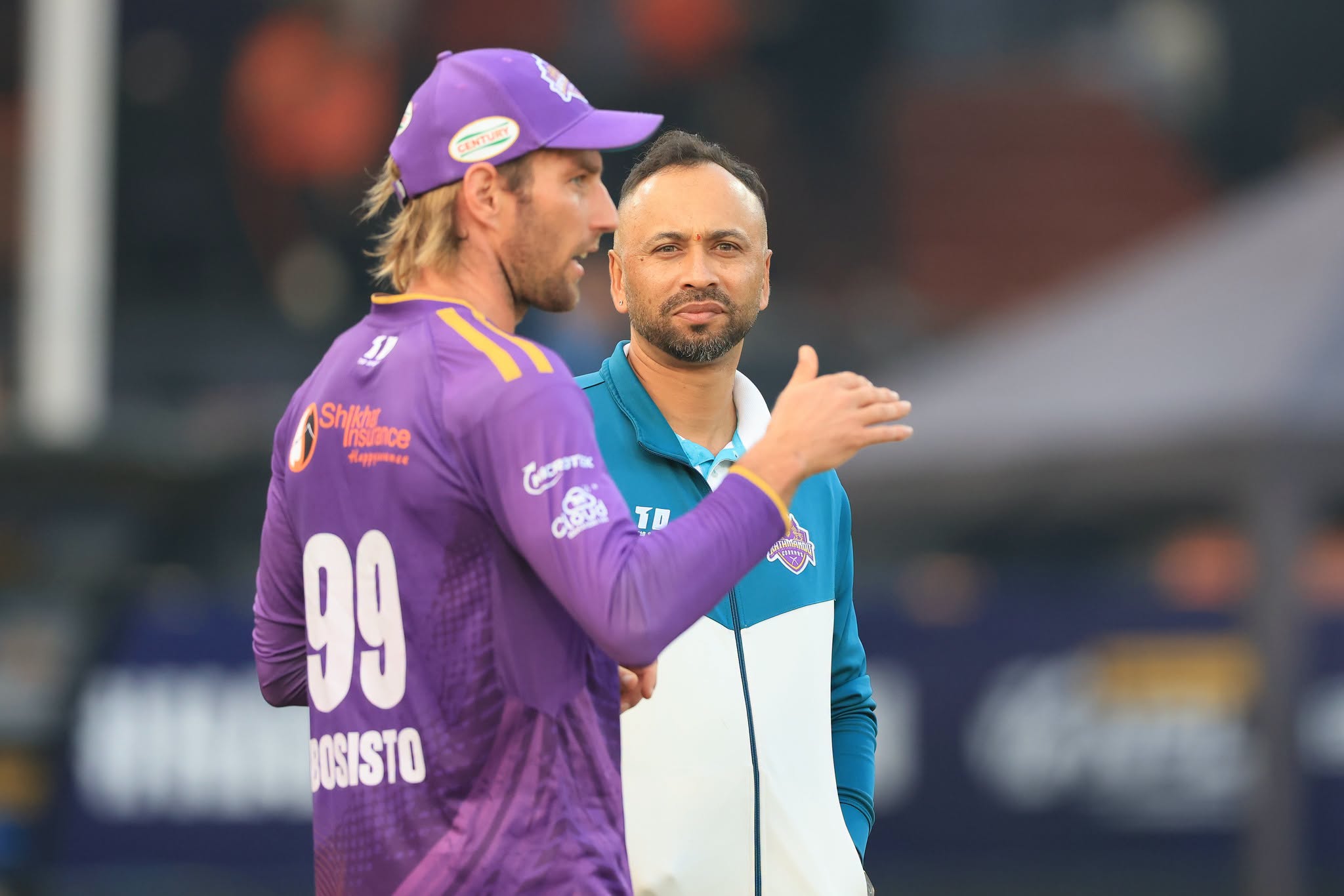
- Will Bosisto, 37 off 28 balls
- Next match
- Qualifier 2: Chitwan vs Sudurpaschim Royals, Thursday, 19 November 2026, 5:00 PM NST
Kathmandu Gorkhas did not lose their season in a single night, but the night it ended told the story of the week that had gone before it. Chitwan Rhinos beat them by 61 runs in the Eliminator at the TU International Cricket Ground in Kirtipur on Wednesday, 18 November 2026, and when Will Bosisto stood in front of the cameras afterwards, the Australian all-rounder did not reach for excuses. He named the two things he believed had decided it: the absence of David Warner, and a rhythm his side had lost and never quite found again.
The night the season ended
It was an honest assessment from a player who had just top-scored in a losing cause, and it carried the weight of a season that had promised far more than it delivered. Kathmandu had finished third in the league stage with four wins from seven matches, and every one of those wins had Warner in the side. In the match that mattered most, he was not there, and the side that had looked so settled with him in it came apart in the field, with the bat, and in the moments between.
Chitwan batted first and, after slipping to 22 for 2, piled up 204 for 4 on the back of Kamil Mishara's unbeaten 120 from 59 balls. The Sri Lankan's innings, built around a 154-run third-wicket stand with captain Ravi Bopara off 92 balls, was the highest individual score the league has seen, and it left Kathmandu chasing a total no side had ever hunted down in the tournament.
The chase never got going. Bosisto top-scored with 37 off 28 balls, hitting three fours and two sixes, but he found no partner who stayed with him. When he fell at 63 for 3, the required rate had already climbed past 12 an over, and the rest of the innings became a slow slide. Sahan Arachchige's bright 24 off 13 balls and Bhim Sharki's unbeaten 30 off 17, with three sixes, gave the scorecard some respectability, but Kathmandu finished on 143 for 9, still 61 short. Rijan Dhakal took 4 for 16 from his four overs for Chitwan, and Usama Mir took 3 for 15.
Bosisto's own contribution summed up the evening. He had dropped Mishara in the field, a miss that cost his side dearly as the Sri Lankan went on to his hundred, and his 37 was the highest score in an innings where nobody else passed 30. It was the kind of night where one mistake and one missing player can feel like the same thing.
The Warner-shaped hole
Warner had played all four of Kathmandu's league wins and then returned home after four matches in the tournament, and Bosisto was clear that what his side missed went far beyond the runs the Australian would have scored at the top of the order. The team missed the whole package, he said: the confidence, the experience and the leadership that comes with a player who has spent a career deciding big matches.
That is the part of a senior overseas player that rarely shows up in a scorecard. Warner does not only score runs. He sets the tone in the field, he talks bowlers through their plans, he runs hard between the wickets, and he gives younger players someone to follow when the pressure rises. Bosisto said his presence made the whole side stronger, and his absence left a gap that no single replacement could fill.
The point was not that Kathmandu could not win without Warner. Bosisto was careful to say the squad still had the ability to win the tournament. The point was that winning without him demanded more from everyone else, and on the night it mattered, nobody produced it. The batting never settled, the fielding never tightened, and the side that had won four matches with Warner in it looked like a different team without him.
It is a familiar story in franchise cricket, and it is one Kathmandu will have to think about before next season. A side built around a star can look settled while the star is there and suddenly fragile when he leaves. The Gorkhas' four wins all came with Warner; their season ended in the first match without him.
Where the chase fell apart
Bosisto's reading of the chase was unsparing. The pitch was turning, and some balls were bouncing unevenly, and on a surface like that a target of 200 demands a good start and a long partnership. Kathmandu got neither. Wickets fell at regular intervals, no partnership was built, and the required rate was never brought under control.
The fielding told the same story. Bosisto accepted that dropped catches had been a problem for Kathmandu throughout the tournament, and the night made the problem worse. Dew in the evening made the ball slippery and fielding harder still, and on a night when the side needed to be sharp in every department, it was loose in the one that costs the fewest runs to fix.
He was generous about the man who had hurt his side most. Chitwan's left-arm spin had bowled well, he said, but Mishara had batted brilliantly against it, and the praise was the more striking because Bosisto knew his own drop had helped the innings along. A catch taken early changes a match like this one completely. A catch dropped lets a player like Mishara build the innings of the season.
The shoulder that stopped him bowling
There was also a personal note to the evening, and Bosisto did not hide it. A shoulder injury meant he could not bowl at all this season, and he said it had been hard to watch matches from a position where he could not contribute in the way he wanted. On a pitch that helped the spinners, not being able to bowl or field as he would have liked left him frustrated, and he accepted that he had been less effective this season than in the past.
He had played through the injury for the team, and the effort was visible in his batting even when the results were not. But a player who cannot bowl loses half his value to a side, and Kathmandu felt that too. In the first two seasons of the league, Bosisto had played important roles for the Gorkhas with bat and ball. This season, he could only offer one of them, and the side was poorer for it.
His story has always been one of persistence. A former Australia Under-19 captain, he was banned from bowling in 2014 because of an illegal action and had to rebuild it before he could bowl again. He played 11 T20 matches for the Perth Scorchers in the Big Bash League, and his career since has been that of a journeyman who keeps finding a way back. The shoulder injury is the latest obstacle, and the way he spoke about it suggested he intends to clear this one too.
When the rhythm went
Bosisto traced the slide back further than the Eliminator. He said Kathmandu had started to lose its rhythm after the defeat to Sudurpaschim Royals, when a run of settled selections gave way to constant change. The batting order was shuffled again and again, the bowling did not go to plan, and a side that had looked organised in its four wins began to look like one searching for answers.
The numbers back him up. Kathmandu finished the league stage third with eight points from four wins and three defeats, but the defeats came at the wrong end of the season. The seven-run loss to Sudurpaschim Royals broke their momentum, and the Eliminator defeat to Chitwan, a side they had beaten by 10 runs earlier in the season, finished the job.
It is the part of tournament cricket that rarely makes the highlights. Form is not only about runs and wickets. It is about knowing your role, trusting the player next to you, and walking out with a plan you believe in. Kathmandu had all of that when Warner was in the side and the wins were coming. Once the rhythm went, the plans went with it, and no amount of individual effort in the Eliminator could bring it back.
Three teams, one trophy
Bosisto refused to pick a winner from the three sides left standing, and his reasons said something about each of them. Sudurpaschim Royals have the strongest fielding in the league, Chitwan Rhinos have the batting to post totals no side can chase, and defending champions Lumbini Lions have the habit of winning matches from difficult positions. With three sides that strong, he said, choosing a winner is not easy.
Chitwan now meet Sudurpaschim Royals in Qualifier 2 on Thursday, 19 November 2026, at 5:00 PM NST at the TU Ground in Kirtipur, with the winner facing Lumbini Lions in the final on Saturday, 21 November, after a rest day on Friday. Bosisto will watch the rest of the tournament as a spectator, and he said the fans should expect exciting cricket from the two matches that remain.
It was a generous note on which to end a season that had ended badly for his own side, and it fitted the way he had spoken all evening. There was no bitterness in his assessment, only a clear-eyed account of what had gone wrong and what the three remaining sides do well.
A league transformed
Bosisto also spoke about how much the tournament itself has changed since he first played in it. In the first season, he remembered fans watching from grass banks and sitting in trees around the ground. Now there is a modern stadium, floodlights, and crowds that fill the ground and give the league an atmosphere he said any player would want to play in.
He praised the Cricket Association of Nepal, the volunteers who keep the tournament running, and the supporters who have turned the TU Ground into one of the loudest venues in associate cricket. Given the chance, he said, he would play in the league again.
That may be the most telling part of the evening. A player whose season had just ended in defeat, carrying a shoulder injury, still talked about coming back. Kathmandu Gorkhas will spend the months ahead working out how to replace what Warner gave them and how to keep the rhythm Bosisto says they lost. The league they leave behind is bigger and louder than the one they joined, and the side that wins it on Saturday will have earned it against the strongest field the tournament has seen.
FAQs
Why did Kathmandu Gorkhas lose the NPL Eliminator?
Will Bosisto said David Warner's absence and a loss of rhythm were the main reasons. Kathmandu also batted poorly, dropped catches through the tournament, and could not build a partnership while chasing Chitwan's 204 for 4, finishing on 143 for 9.
What did Will Bosisto say about David Warner?
Bosisto said Kathmandu missed Warner's whole package, not just his runs. Warner played in all four of Kathmandu's league wins, and Bosisto said his confidence, experience, leadership and energy inspired the younger players and made the whole side stronger.
Why did Will Bosisto not bowl in NPL Season 3?
Bosisto said a shoulder injury left him unable to bowl this season. He played through the injury but accepted he was less effective than in the past, and said it was hard not being able to bowl or field as he wanted on a spin-friendly pitch.
Who plays in Qualifier 2 and when is the NPL final?
Chitwan Rhinos play Sudurpaschim Royals in Qualifier 2 on Thursday, 19 November 2026, at 5:00 PM NST at the TU International Cricket Ground in Kirtipur. The winner faces defending champions Lumbini Lions in the final on Saturday, 21 November 2026.
Comments