
Quick Facts
- News hook
- TourismInfoNepal assessment published 31 October 2026: NPL is creating new opportunities for Nepal as an international sports tourism destination
- CAN projection
- Direct business transactions worth more than Rs 1.5 billion expected from Season 3, per OnlineKhabar, 27 October 2026
- Hotel stays
- Each franchise books hotel rooms for at least six weeks, spending an estimated Rs 8-15 million on hotels, per Hotel Association Nepal treasurer Yubaraj Shrestha
- Capacity gap
- Nepali hotels can serve 3.5-4 million tourists a year, but arrivals are only 1.1-1.2 million, per Hotel Association Nepal president Binayak Shah
- Season base
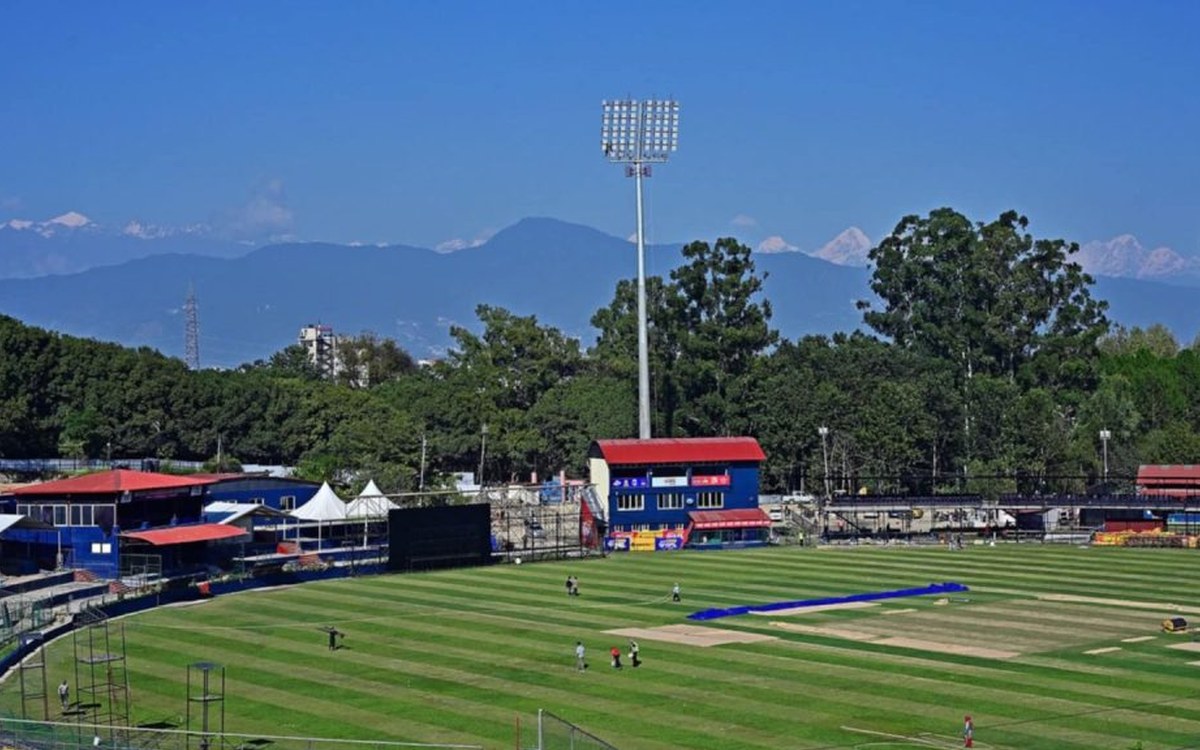
- Season 3 runs 26 October to 21 November 2026, with every match at the Tribhuvan University International Cricket Ground, Kirtipur
The Nepal Premier League is already selling Nepal, not just cricket. Hotel beds are full, players' phones are doing the marketing, and tourism leaders now say the question is whether anyone builds a real plan behind the accidental boom.
A league that fills hotels
The most concrete tourism story of this NPL season is not on a billboard. It is in hotel booking sheets. Hotel Association Nepal president Binayak Shah told News Agency Nepal that the tournament's third edition is directly benefiting the tourism sector, with dozens of players from various countries staying in large hotels in the capital. All eight franchise teams are associated with major hotels, and players, coaches and other team members use hotel services for an extended period.
The supporters are travelling too. Shah said fans of Sudurpaschim Royals, Biratnagar Kings, Lumbini Lions and Chitwan Rhinos have come from various places to watch their teams, staying in hotels and spending on food, drink and transport. Hotel Association Nepal treasurer Yubaraj Shrestha put numbers on the pattern in OnlineKhabar: each franchise travels with roughly 30 to 35 people, occupies at least 25 to 30 rooms, and typically books for at least six weeks once a pre-tournament camp is included, spending an estimated Rs 8 million to Rs 15 million on hotels alone.
That hotel trade sits inside a much bigger commercial picture. The Cricket Association of Nepal projects direct business transactions worth more than Rs 1.5 billion from Season 3, as covered in this site's NPL economic footprint report. The tourism argument, though, is different from the money argument: a hotel room sold for six weeks is also six weeks of meals, transport and sightseeing.
Stars as Nepal's shop window
The second half of the tourism case costs the industry almost nothing, because the players do it themselves. Each franchise has six foreign players, bringing 48 overseas cricketers to Nepal for the tournament, and their social media reaches audiences that Nepal's tourism advertising rarely touches. Shrestha gave OnlineKhabar the sharpest example: Andre Russell posted a photograph of himself wearing a Dhaka topi, and it drew more than 50,000 reactions and over 1,800 comments.
"Players like Russell have a unique fan following. Some of the people who follow him may have learned about Nepal for the first time because of his participation," Shrestha said. Teams also arrange excursions for players on rest days, including visits to Everest Base Camp, which turns a cricket trip into a travel story told first-hand.
Veteran sports journalist Niranjan Rajbanshi made the same point in TourismInfoNepal's 31 October assessment, citing Indian cricketer Shikhar Dhawan's earlier visit to Nepal, when he explored destinations and shared the experience on social media. Journalist Ajay Phuyal added that foreign players and celebrities visiting Pashupatinath, Lumbini and Janaki Dham during their stay can push followers to learn about Nepal's religious and cultural attractions. The exposure is real, but borrowed: it depends on what players happen to post.
The flights bottleneck
Every tourism voice in this debate eventually lands on the same obstacle: getting here. Shah's figures frame it starkly. Nepali hotels have built the capacity to serve between 3.5 million and 4 million tourists a year, yet only around 1.1 million to 1.2 million visitors actually arrive, and he blames limited international air connectivity for much of the gap. He noted that Flydubai started flights to Pokhara International Airport about a month ago, but said expanding other international links is what would let arrivals grow.
TourismInfoNepal's assessment reaches the same conclusion from the fan's side. For an international supporter, travel planning involves more than securing match tickets: flight availability, journey time, ticket prices, accommodation, ground transport and access to tourist destinations all influence whether the trip happens. Better connections and competitive fares would also let operators build packages combining a match with sightseeing, rather than selling a ticket and hoping the rest sorts itself out.
Shah added a quieter warning about perception. After floods in the Rasuwa and Bhotekoshi regions, foreign tourists have been asking whether it is safe to visit Nepal at all, and he said government bodies must coordinate so that a problem in one area is not read as a problem everywhere. A sports-tourism strategy that cannot answer the safety question, or the flight question, will keep losing visitors it has already attracted through the cricket.
Grounds beyond Kathmandu
The other bottleneck is geography. Every Season 3 match is played at one ground, the Tribhuvan University International Cricket Ground in Kirtipur, which concentrates every hotel night and taxi ride in the Kathmandu Valley. Sports journalist Prakash Timsina, quoted in the 31 October assessment, said Kathmandu already has international-standard cricket facilities, and argued that infrastructure development in Pokhara and Chitwan could create further opportunities for the sport.
The Nepal Tourism Board's own account of the league points the same way, noting that tour operators have already begun packaging sports-focused itineraries that let visitors explore Nepal while attending fixtures. Spreading matches, training camps and preparation tours beyond the capital would spread that spending too, giving tourists reasons to travel outside Kathmandu instead of flying in and out of one city.
The rain-hit week just passed shows the risk in the current setup. Saturday's first match was abandoned without a ball bowled and the second was squeezed into five overs, and the full schedule still has weeks to run at the same ground. A sports-tourism plan built on a single venue is a plan exposed to a single waterlogged outfield, and the rest of the season will test whether Kirtipur can carry both the cricket and the tourism promise.
The case for a joint tourism plan
This is where the debate moves from observation to demand. Nepal Tourism Board chief executive Deepak Raj Joshi, in a video message cited by the Board, said: "The growing number of sports events nationwide shows our potential. We appreciate the dedication of our sports associations. Stronger partnerships are essential if we are to position Nepal as a premier sports tourism destination." Shah, speaking for the hoteliers, put it just as directly: "As NPL gains both national and international recognition, it proves that with this level of infrastructure, sports tourism can flourish in Nepal. We have the environment, the enthusiasm, and now the events to support it."
Shah's prescription, given to News Agency Nepal, is that the league should no longer be viewed merely as a cricket tournament but developed as a medium for tourism promotion, with hotel entrepreneurs, the government, the Nepal Tourism Board and the Cricket Association of Nepal moving forward with a joint plan. The raw material is already visible: ICC recognition, matches reaching international audiences through television and streaming, and a season that runs from 26 October to 21 November with the country's biggest cricket names in town.
Right now, Nepal's sports-tourism success is mostly incidental: players post, hotels fill, supporters travel, and everyone calls it a strategy afterwards. The difference between that and a real industry is unglamorous work — more flights, grounds in more cities, packages pairing a match with a mountain or a temple town, and a single safety message when floods make headlines. Shrestha's line about hotels captures why the work is worth doing: "Consistent business for a hotel helps stimulate activity in several other sectors, including agriculture. This contributes to the wider economy." If the third edition ends and the only change is a good month for Kathmandu's hotels, the league will have sold Nepal short. If the flights, grounds and joint plan follow, it will have sold Nepal properly.
FAQs
What does sports tourism mean in the NPL's case?
Sports tourism means visitors travelling for sport: players, coaches, officials and supporters who stay in hotels, eat out, use transport and extend trips into sightseeing. In the NPL's case, all eight franchises stay in Kathmandu hotels for weeks, and supporters travel from other parts of Nepal to watch their teams.
Do NPL teams really stay in Kathmandu hotels for six weeks?
Yes, according to Hotel Association Nepal treasurer Yubaraj Shrestha, speaking to OnlineKhabar. Each franchise travels with roughly 30 to 35 people, books at least 25 to 30 rooms, and typically stays for at least six weeks including a pre-tournament camp, spending an estimated Rs 8 million to Rs 15 million on hotels.
Why do experts say flights matter more than marketing?
Because a fan's decision is not just about a ticket. TourismInfoNepal's assessment notes that flight availability, journey time, fares, accommodation and ground transport all shape whether an overseas supporter travels. Hotel Association Nepal president Binayak Shah makes the same point with numbers: hotels can serve up to four million tourists a year, but only about 1.1 to 1.2 million arrive.
Can a fan combine an NPL match with sightseeing in Nepal?
That is already happening in small ways. Tour operators have begun packaging sports-focused itineraries around fixtures, teams arrange excursions such as Everest Base Camp visits on rest days, and journalists point to players visiting Pashupatinath, Lumbini and Janaki Dham. The gap is scale: there is no systematic national programme yet linking matches, flights and destinations.
Comments