
Quick Facts
- Interview
- Paras Khadka to Online Khabar, published October 26, 2026
- Khadka's role
- CAN secretary and NPL Governing Council coordinator
- Season window
- October 26 to November 21, 2026, at the TU Ground, Kirtipur
- Season opener
- Lumbini Lions vs Sudurpaschim Royals, October 26, 5:00 PM
- Stadium ask
- A well-equipped ground with capacity of at least 25,000 spectators
In an interview published by Online Khabar on Monday, October 26, Cricket Association of Nepal (CAN) secretary Paras Khadka said the Nepal Premier League's real test is not its star names, but whether it creates a secure future for the next generation of Nepali cricketers.
Paras Khadka's NPL Vision
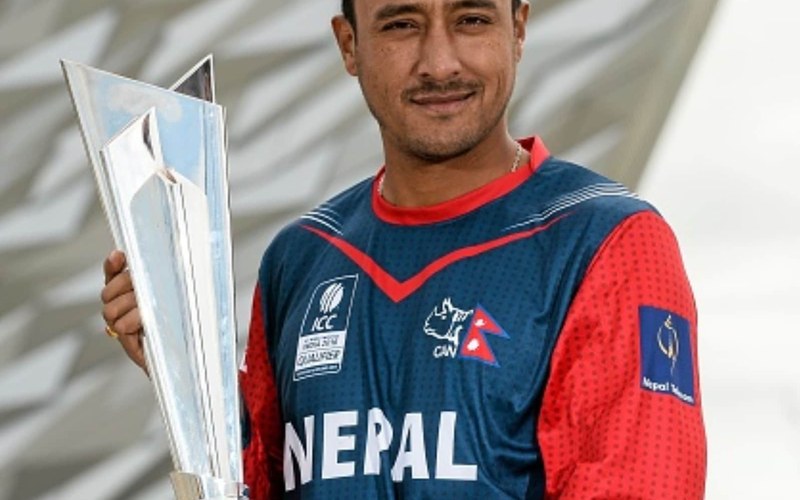
In an interview published by Online Khabar on the morning of the season opener, Cricket Association of Nepal (CAN) secretary Paras Khadka looked past the opening-night excitement and set out what he believes the Nepal Premier League must now deliver. The former national captain, who now serves as CAN secretary and NPL Governing Council coordinator, said the tournament is a result of the love and support Nepali cricket has received over the years.
Asked what he would wish for if he could perform one miracle, Khadka did not ask to return to the field. He said his desire to play again ended on the day he retired, and that his priority now is to create the conditions in which children across the country can pick up a bat and ball, pursue cricket and build a secure future through the sport. That line, more than any star signing, is the centre of his message on the eve of the new season.
The interview appeared on the morning of the opener, defending champions Lumbini Lions against Sudurpaschim Royals at Kirtipur, a repeat of last season's final.
Stars at the TU Ground
Khadka said the quality of players on show this season is the most exciting part of the tournament for him. The interview names David Warner of Kathmandu Gorkhas, Andre Russell of Biratnagar Kings, David Miller of Karnali Yaks, Shakib Al Hasan of Pokhara Avengers and Jimmy Neesham among the international names Nepali fans have mostly watched on television until now.
Khadka said players from 10 of the world's 12 Test-playing countries will be gathering at the TU Ground for the NPL, even though Nepal's national team has had relatively few chances to play against Test-playing nations. Having such players in Nepal's own franchise league, in his words, adds another level of excitement.
He also said the league is changing how supporters see themselves. People now identify with their regions — Sudurpaschim, Karnali, Biratnagar or Kathmandu — and support their teams passionately. Khadka said that local identity matters for the development of sport, and that the NPL is helping to build it while bringing provinces and regions together culturally.
NPL Commercial Growth
The interview also pressed Khadka on the money around the league. Franchises have spent crores signing players, while CAN earns from broadcasting rights, ticket sales and sponsorships. Figures put to him were around Rs700 to Rs750 million in revenue, with total business of approximately Rs1.5 billion including franchise spending, and turnover of around Rs1 billion in each of the previous two seasons.
Khadka's answer was deliberately cautious. He said making the tournament financially sustainable is equally important, and that the league should not get carried away by the excitement. If good sponsorship deals can be secured and media rights sold effectively, he said, the franchises' investments will also make greater financial sense. He added that expenses are considerable and must be managed carefully, and that the economic value of the tournament can grow much further.
That caution matters because the commercial story is already part of the build-up: CAN announced on October 25 that the Season 3 winner will receive Rs15 million, and the full schedule runs to the November 21 final. Khadka's point is that revenue only counts if it lasts beyond one season.
Stadium and Multi-Venue Future
Infrastructure, Khadka said, has now become a particularly important issue. He argued there is an urgent need for a well-equipped stadium with capacity of at least 25,000, because existing facilities struggle to meet demand, especially during the NPL. The TU Ground, which hosts all 32 matches this season, has already seen opening-day tickets sell out within about 30 minutes.
Khadka also raised the idea of taking the tournament to other locations and making it a more multi-venue event. For now, though, the single-venue shape of Season 3 remains: every match at Kirtipur, with the Decision Review System in use for the first time in the league's history, bringing ball-tracking, edge detection and ball-speed data to the competition.
The stadium question connects directly to his wider argument. A bigger, better-equipped ground would let more supporters watch in person, ease pressure on Kirtipur on big match days, and give the league room to grow rather than turning fans away.
Reinvestment and ICC Full Membership
Where the money goes is the other half of Khadka's message. He said the money collected is being reinvested in the development of cricket at the district and provincial levels, as well as in preparing the national team. In short, he said, the money earned from cricket is being spent on the development of cricket itself.
That reinvestment, in his telling, links the NPL to Nepal's national ambitions. Nepal has played in three World Cups, Khadka noted, and Season 3's ICC sanction gives its matches official T20 status. But the ultimate goal remains further away: full membership of the ICC, which he said efforts will continue to pursue.
For supporters heading to Kirtipur, the interview frames the season as more than a festival of star names: the stars are the draw, the revenue is the engine, and the next generation is, in Khadka's words, the reason both matter.
FAQs
What did Paras Khadka say is the NPL's main goal?
Khadka told Online Khabar that the priority is creating conditions in which children across Nepal can pick up a bat and ball, pursue cricket and build a secure future through the sport, rather than returning to the field himself.
What kind of stadium does Khadka want for Nepal?
He called for a well-equipped cricket stadium with a capacity of at least 25,000 spectators, saying existing facilities struggle to meet demand during the NPL, and raised taking the tournament to other venues in future.
How much business is NPL Season 3 expected to generate?
Figures put to Khadka in the interview were around Rs700 to Rs750 million in revenue, with total business of approximately Rs1.5 billion when franchise spending is included, against turnover of around Rs1 billion in each of the previous two seasons.
What is Nepal's long-term ICC ambition?
Khadka said the collective dream for the future is to obtain full membership of the ICC, and that efforts towards that goal will continue, even though Test cricket has its own definition and requirements.
Comments